Torn between the charm of Old Florida and the ease of a modern build? In Victoria Park, you can have either, but each path comes with unique tradeoffs in layout, maintenance, insurance, and long-term resilience. If you want walkable living near downtown and the beach, this neighborhood delivers. In this guide, you’ll learn how new construction and historic homes compare so you can buy with confidence. Let’s dive in.
Victoria Park at a glance
Victoria Park is one of Fort Lauderdale’s most established neighborhoods, first platted in the 1920s. Parts of the Victoria Courts enclave are locally recognized for historic resources, which helps preserve character across many blocks. To learn more about the neighborhood’s history and identity, explore the Victoria Park Civic Association’s background.
You are minutes from Las Olas Boulevard and about 1.5 to 2 miles from the beach. With a Walk Score around 75, Victoria Park is considered very walkable. Holiday Park sits right next door with extensive recreation, making daily life here active and convenient.
Market snapshots in late 2025 to early 2026 show Victoria Park’s median price in roughly the low 1 million range with price per square foot commonly in the mid 400s to 500s. Exact numbers vary by source and date, so check current MLS data when you are ready to move.
Historic homes: charm and tradeoffs
What you’ll typically find
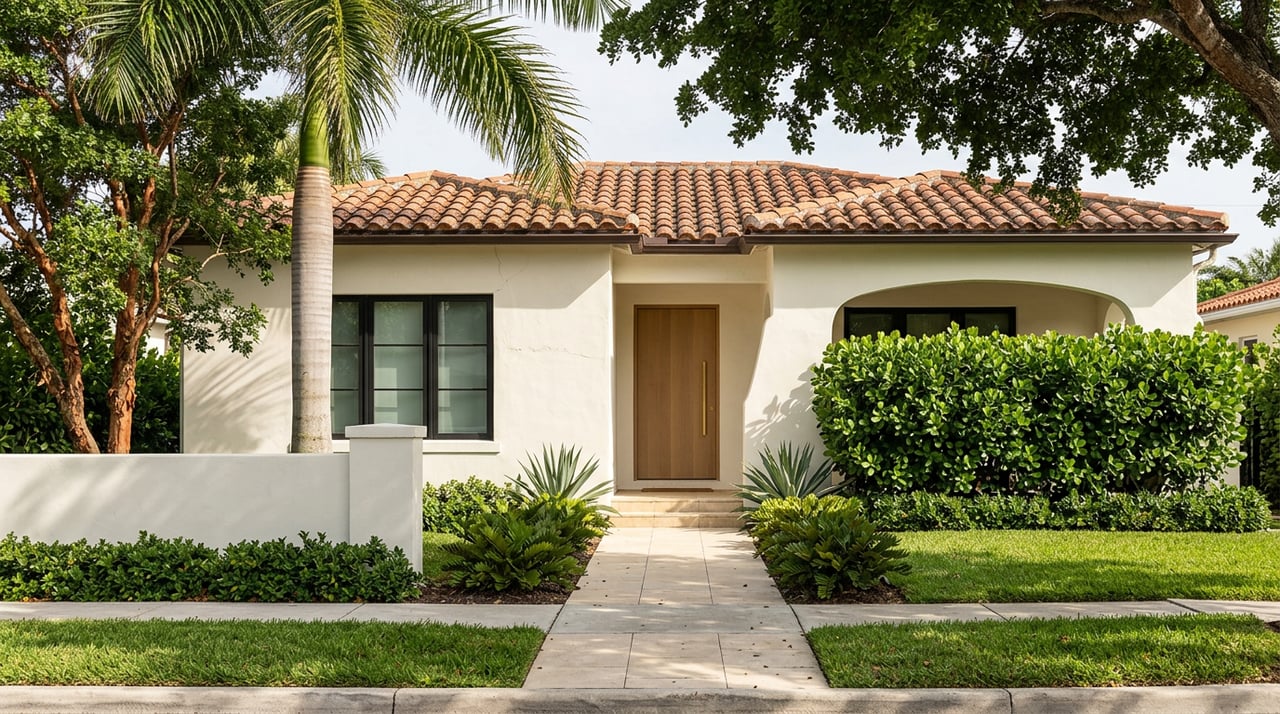
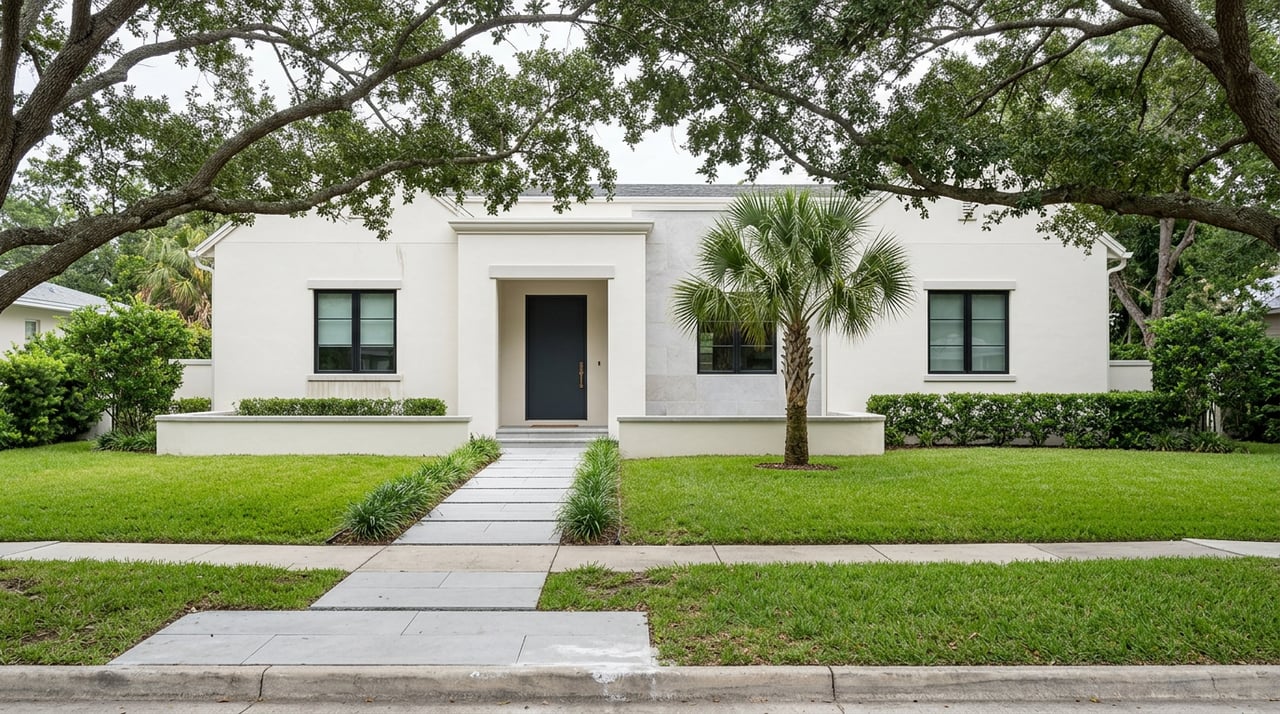
Many original cottages and single-story homes date from the 1920s to 1940s. You will see porches, Mediterranean or bungalow-style details, and a mature tree canopy that creates that “Old Florida” feel. Some parcels within Victoria Courts are part of Fort Lauderdale’s local historic inventory, which may influence exterior changes. Review the city’s historic resources documentation for context.
Lot sizes vary widely. Many original lots fall in the 5,000 to 10,000 square foot range, though assembled or oversized parcels do exist. Block-by-block differences can be significant, so verify lot dimensions early.
Why buyers choose historic
- Character that feels authentic to Fort Lauderdale’s early growth, often with inviting porches and mature landscaping.
- Privacy potential, since some historic parcels offer more yard space than attached townhome infill.
- A chance to preserve and update a piece of neighborhood history, which many buyers find rewarding.
Common limitations to plan for
- Systems and maintenance. Original electrical, plumbing, roofs, windows, and HVAC may need updating for safety, efficiency, and wind resilience. As a planning rule of thumb, set aside about 1% to 4% of home value per year for maintenance, with older coastal homes at the higher end. See the budgeting guidance summarized by SuperMoney.
- Layout and flow. Historic floor plans can be compartmentalized. Opening walls or expanding kitchens is possible but may require structural work and careful permitting. For project ROI and which updates typically recoup best, review Remodeling’s Cost vs. Value.
- Design review. If the property lies within a locally designated historic area, exterior changes can trigger a review process. Confirm requirements with the City early using the historic resources reference.
New construction: design and resilience
What you’ll see in Victoria Park
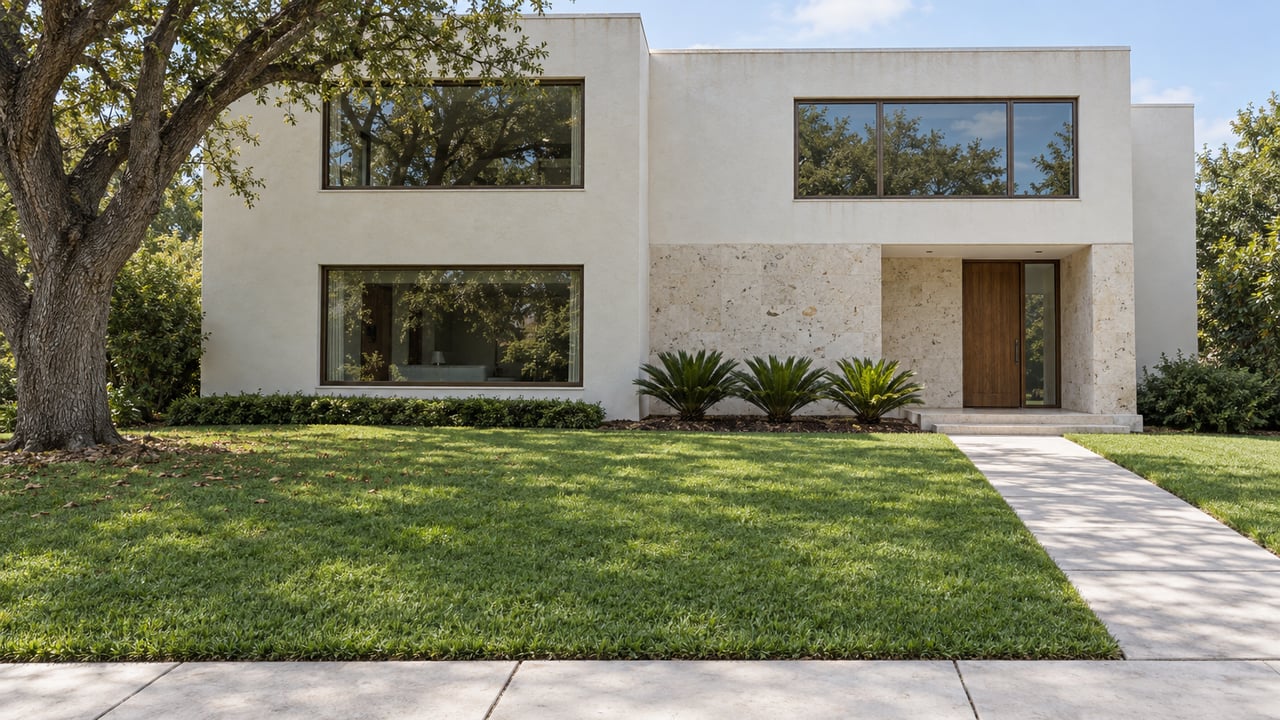
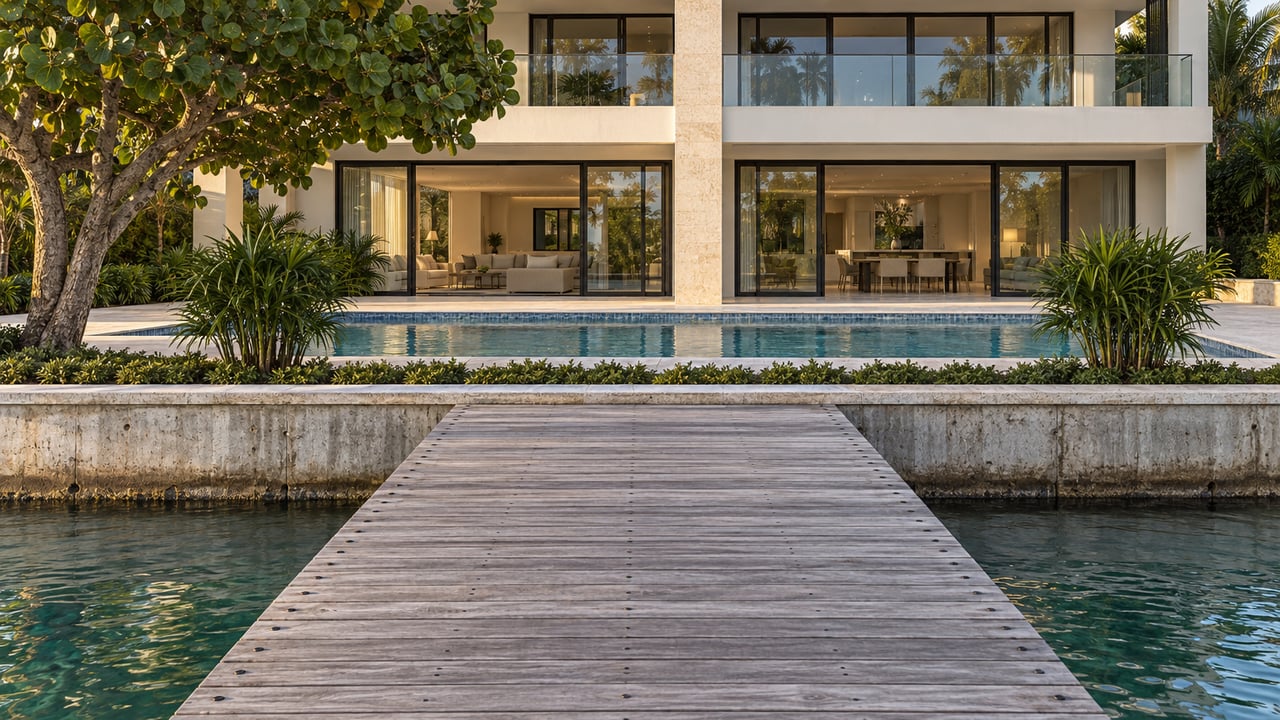
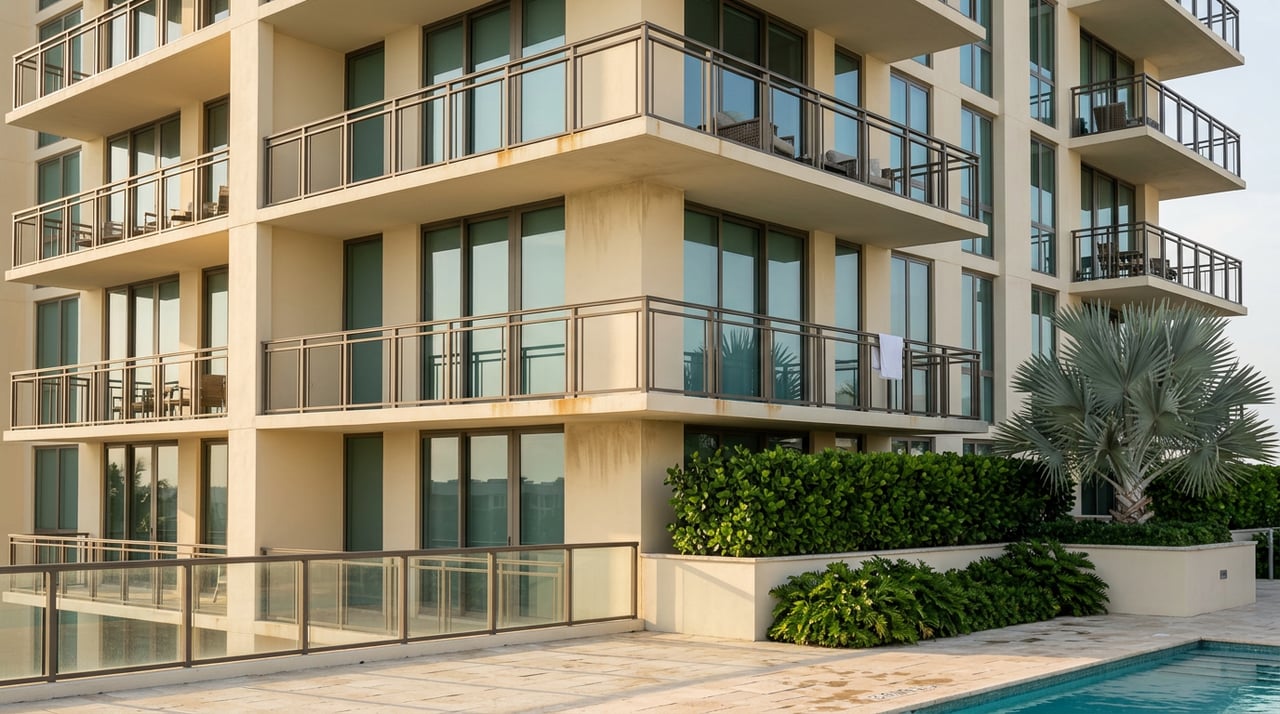
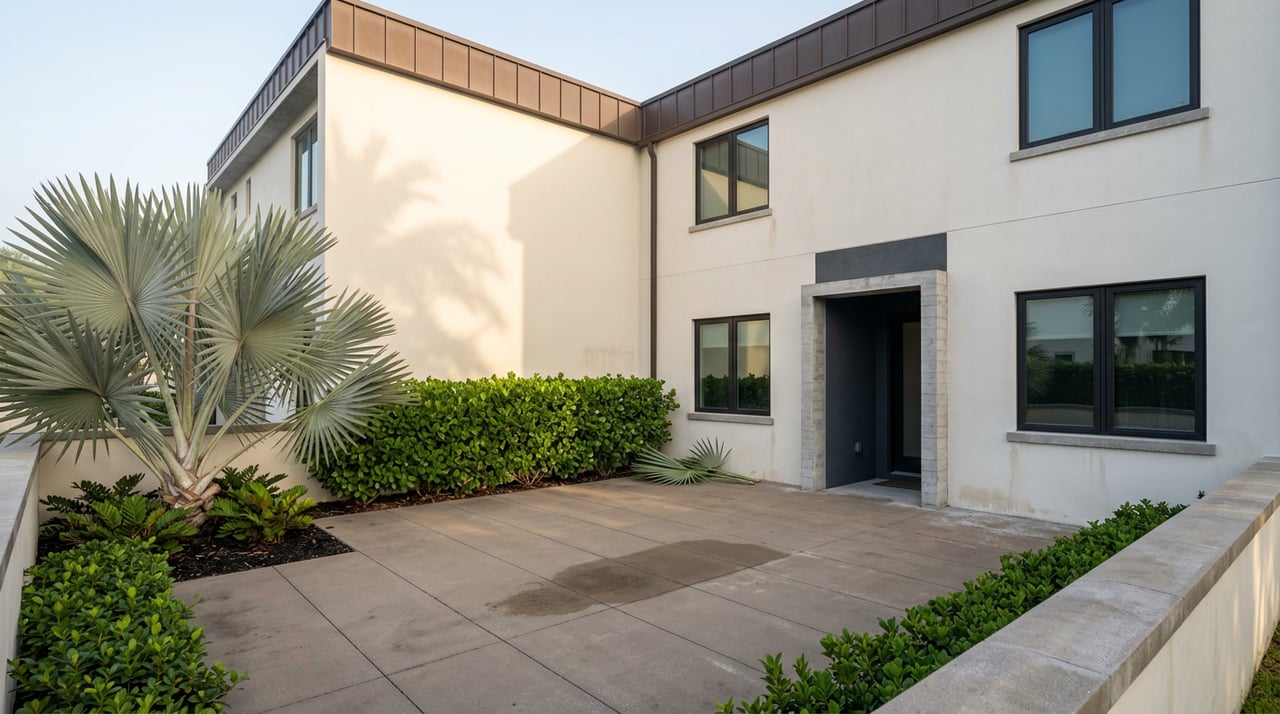
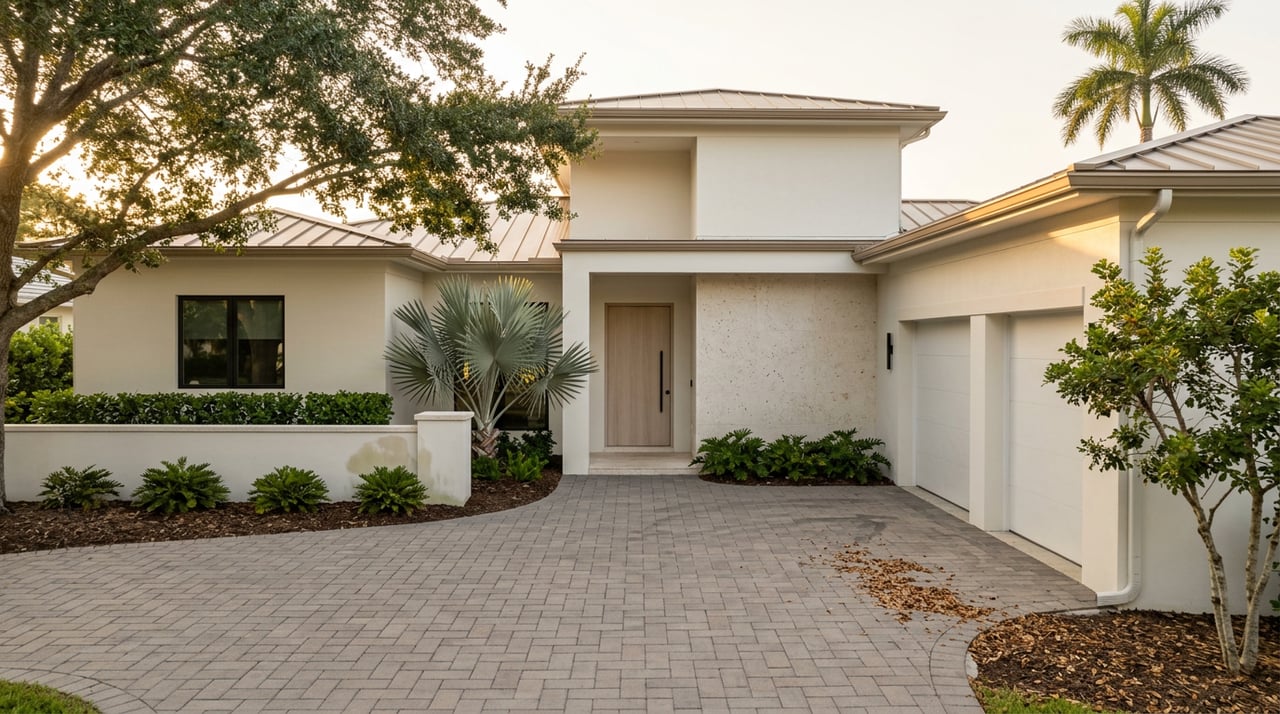
Recent years brought a wave of infill townhomes and three-story modern single-family homes. Some are built as teardowns on original lots, while others are part of multi-unit townhouse developments. City planning records reflect active infill discussions in and around the neighborhood. For a feel of how projects are evaluated, see an example Fort Lauderdale planning backup document.
Key advantages
- Modern layouts with open living spaces, generous primary suites, and indoor-outdoor flow that suits South Florida living.
- New systems and materials that reduce near-term maintenance and typically include impact-rated windows and doors.
- Stronger wind performance, since Broward is in the High-Velocity Hurricane Zone. New builds must meet HVHZ requirements under the Florida Building Code, which can also help with wind-mitigation insurance credits. Learn more about HVHZ standards from BCAP’s Florida Building Code overview.
Tradeoffs to consider
- Smaller private yards for attached townhomes or zero lot line designs.
- Premium pricing for turnkey finishes and modern aesthetics.
- A different streetscape feel in areas transitioning from one-story cottages to taller infill. Some buyers love the contemporary energy, while others prefer original scale.
Insurance, flood, and climate factors
Flood zones and insurance requirements vary property by property. If a home is in a FEMA Special Flood Hazard Area and you use a federally regulated mortgage, flood insurance is typically required. Start with the City’s flood information to learn how zones, elevation, and permits interact. Fort Lauderdale maintains helpful guidance under Building Services and Flood Risk.
For a deeper look at current and future flood conditions, Broward County provides mapping resources and “future conditions” layers that are useful for long-hold buyers. Explore the Broward GIS hub to understand neighborhood context.
Regional planning bodies use unified sea level rise projections for long-term infrastructure and resilience work. Fort Lauderdale’s resolution references about 10 to 17 inches by 2040, with a larger range by 2060. If you plan to hold for decades, factor these trends into your property choice and upgrade plans. Review the city’s adopted projections in the Southeast Florida Climate Compact document.
Costs: maintenance, roofs, and ROI
- Annual upkeep. Budget 1% to 4% of home value per year, leaning higher for older or coastal homes. This helps you stay ready for salt, humidity, and storm exposure. See SuperMoney’s maintenance overview.
- Roofs. Fort Lauderdale roof replacements vary widely with material and complexity. Local guides show smaller asphalt jobs at the low end and tile or concrete replacements running substantially higher, with complex projects reaching into the tens of thousands. For a sense of range, review Instant Roofer’s Fort Lauderdale cost guide, then get a licensed roofer’s quote.
- Project ROI. Not all renovations return equally at resale. Historically, targeted updates like minor kitchen refreshes can recoup more than large, custom overhauls. Compare potential projects using Remodeling’s Cost vs. Value.
Quick touring checklist
Use this short list before or during showings to avoid surprises:
- Confirm flood zone and elevation. Start with the City’s flood resources, then review county layers on the Broward GIS hub. Ask for any Elevation Certificate on file if the home appears in an A, AE, or V zone.
- Roof age and permits. Ask for receipts and permit records. If the roof is more than 10 to 15 years old, consider an independent roof inspection and estimate. See local ranges via Instant Roofer’s guide.
- Permit history. Request final inspections for electrical, HVAC, window or impact glazing, plumbing, and any structural work. The City’s building services page provides helpful contacts and process details: Fort Lauderdale Building Services.
- Historic restrictions. If the home sits in a designated area like Victoria Courts, ask the City about exterior change review. See the historic resources reference.
- Wind protection. Confirm whether windows and doors are impact rated, if roof-to-wall connections are up to code, and whether a wind-mitigation report exists. Review HVHZ context at BCAP’s FBC overview.
- Development potential. If you plan to rebuild or add, check zoning, setbacks, and site plan needs. City documents show active infill projects in and near Victoria Park. For context, review a sample planning backup file.
Which fits your goals
Choose a historic home if you value character, mature landscaping, and the satisfaction of thoughtful updates over time. You may secure more private outdoor space and a style that newer homes try to echo. Be ready for higher ongoing maintenance and possible design review for exterior changes.
Choose new construction if you want open layouts, impact-rated systems, and near-term maintenance ease. You may trade yard size for modern design, energy efficiency, and stronger wind performance. Pricing can be higher on a per-square-foot basis, so weigh long-term savings on repairs and potential insurance credits.
When you want to compare two specific homes side by side, we will help you align layout, lot, insurance, and upgrade paths with your timeline and budget. If you are relocating, we can preview homes and walk you through the details virtually so you can decide with confidence.
Ready to find the right fit in Victoria Park? Reach out to the Lauren Kahn Group at One Sotheby's Int'l Realty for a personalized plan that matches your lifestyle, budget, and timing.
FAQs
What is Victoria Park’s walkability and location like?
- Victoria Park is considered very walkable with a Walk Score around 75, close to Las Olas Boulevard and about 1.5 to 2 miles from the beach, which supports an active, convenient lifestyle.
How do new builds in Victoria Park handle hurricanes?
- New construction in Broward must meet High-Velocity Hurricane Zone standards under the Florida Building Code, typically including impact-rated windows and stronger roof assemblies that can improve wind performance and may support insurance credits.
What maintenance should I expect for a historic Victoria Park home?
- Plan for about 1% to 4% of home value per year for maintenance, with older coastal homes at the higher end, and budget extra for big-ticket updates like roofs, impact openings, and electrical or plumbing upgrades.
Are there special rules for changing a historic home’s exterior?
- If the property is within a locally designated historic resource area, certain exterior changes can require review, so it is smart to contact the City’s Historic Preservation staff early to understand the process.
How do flood zones affect buying in Victoria Park?
- If a home lies in a FEMA Special Flood Hazard Area and you use a federally regulated mortgage, flood insurance is typically required, so confirm the property’s zone, request any Elevation Certificate, and get early insurance quotes to compare costs.