Wondering whether to buy brand-new or a resale condo on Fort Lauderdale Beach? You’re not alone. With inventory ranging from classic mid‑century towers to gleaming new high‑rises, the choice can feel overwhelming. This guide breaks down the real differences in costs, risk, rentals, financing, and value in 33304 so you can move forward with confidence. Let’s dive in.
33304 at a glance
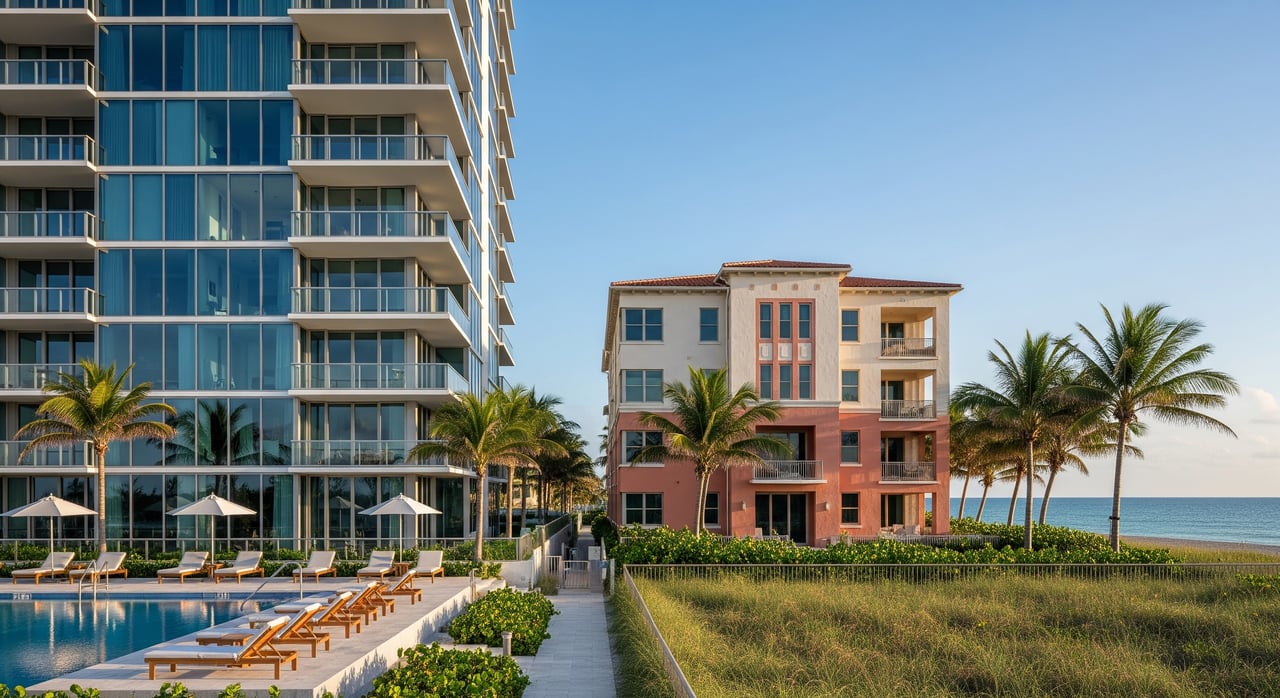
Fort Lauderdale Beach in 33304 blends oceanfront living with easy access to Las Olas, downtown, the airport, and Brightline. You’ll find a mix of older beachfront towers, mid‑2000s buildings, and newer luxury developments. Buyers include second‑home owners, investors, relocating professionals, and retirees who want low‑maintenance living by the water.
New construction here is typically limited and luxury‑oriented with higher price per square foot. Resale options are broader in size, style, and price, though older buildings may require more maintenance over time. If you plan to rent, remember that association rules and city licensing drive what is possible.
New vs resale: quick comparison
- New construction typically costs more per square foot, offers modern systems and amenities, and may include warranties. Timelines are longer if you buy pre‑construction.
- Resale condos often close faster with more pricing flexibility and a documented HOA history. You trade potential savings for age‑related maintenance risk.
- Investors must confirm rental rules and licensing. Short‑term rental policies vary by building and the city.
- Insurance and financing differ by building age, code compliance, and association health. Ask early to avoid surprises.
Upfront and ongoing costs
New construction costs
New developments often require staged deposits and longer wait times to close. Early HOA fees can look low if the developer is subsidizing operations. Fees may rise after turnover when owners take control. Property taxes typically reset upon completion and can be higher than expected.
Resale costs
Resale HOA fees reflect current operating needs and reserve contributions. Older buildings sometimes carry higher monthly dues if reserves are low or if capital projects are planned. Review estoppel and budget documents to understand fees, reserves, and any scheduled assessments.
Construction standards on the coast
Code, durability, and exposure
New buildings must meet the current Florida Building Code, including wind load and coastal standards in effect at permit time. That can improve resilience and may influence insurance options. Older buildings may follow earlier codes and could need retrofits like impact windows or updated structural tie‑ins.
Post‑Surfside changes
Florida strengthened building inspection and reserve requirements after 2021. Associations now face greater transparency and structural oversight, especially for older and taller buildings. Ask for inspection schedules, reserve studies, and capital plans so you understand risk and cost.
HOA health and assessment risk
New developments
During early occupancy, developers often control the board. Ask when control transfers to owners, how reserves are funded post‑turnover, and whether any assessments are planned to finish amenities or stabilize operations. Request the latest budget and transition plan.
Resale buildings
With resales, you can review budgets, audited financials, reserve studies, board meeting minutes, insurance declarations, and litigation history. This visibility helps you gauge the likelihood of fee changes or special assessments. Look for a clear maintenance plan and a documented reserve strategy.
Insurance, flood, and wind considerations
Coastal condos involve two layers of coverage: the association’s master policy for the building and your HO‑6 policy for interiors and personal property. Flood insurance depends on FEMA flood zones, base flood elevation, and lender requirements.
- Newer buildings at higher elevations can reduce vulnerability, but flood insurance is still driven by flood zone and elevation data.
- Windstorm deductibles in master policies can be percentage‑based and significant. Understand how deductibles are applied and what you are responsible for inside your unit.
- Insurance availability and pricing in Florida can change quickly. Get quotes early and confirm lender requirements before you finalize terms.
Financing and appraisal realities
New construction
Some lenders hesitate before a project is complete or before the association stabilizes. Developers may offer preferred lenders or incentives. If you buy pre‑construction, plan for extended timelines and potential appraisal gaps once the building is delivered.
Resale
Traditional financing is more straightforward if the project meets lender standards. Issues like ongoing litigation, low owner‑occupancy, or a high commercial share can restrict certain loan types. Ask your lender to vet the building early to avoid delays.
Rental rules and investor notes
Rental potential depends on both city rules and the condo’s governing documents. Some buildings allow short‑term rentals, others restrict lease length or cap the number of leased units. Renting can support income goals, but it may affect financing and insurance.
- Verify minimum lease terms, rental caps, application steps, and required approvals.
- Confirm whether the city requires registration or licensing and whether tourist taxes apply.
- Understand how rental policies might change after developer turnover or board elections.
Resale value and marketability
Price premiums for new buildings depend on reputation, design, amenities, and management. Over time, value is tied to location, view, maintenance standards, and HOA financial discipline. Well‑maintained buildings with healthy reserves, clear rental rules, and modernized systems tend to sell more smoothly, regardless of age.
Due diligence checklists
If you are buying new construction
- Review the developer’s track record, prior completions, and any litigation history.
- Confirm the contract terms, deposit schedule, escrow protections, and assignment rights.
- Obtain warranty documents. Ask what is covered and for how long, and how to file claims.
- Verify permit status, certificates of occupancy, and final inspections.
- Understand the transition plan to owner control, reserve funding after turnover, and projected HOA fees.
- Clarify what is included at delivery versus optional upgrades, and how punch‑lists are handled.
- Confirm financing options with lenders familiar with the project.
If you are buying a resale condo
- Request the current budget, last audited financials, reserve study, insurance declarations, and the minutes from the past 12 to 24 months of board meetings.
- Ask about pending or recent special assessments and any planned capital projects.
- Check litigation history that involves the association or building systems.
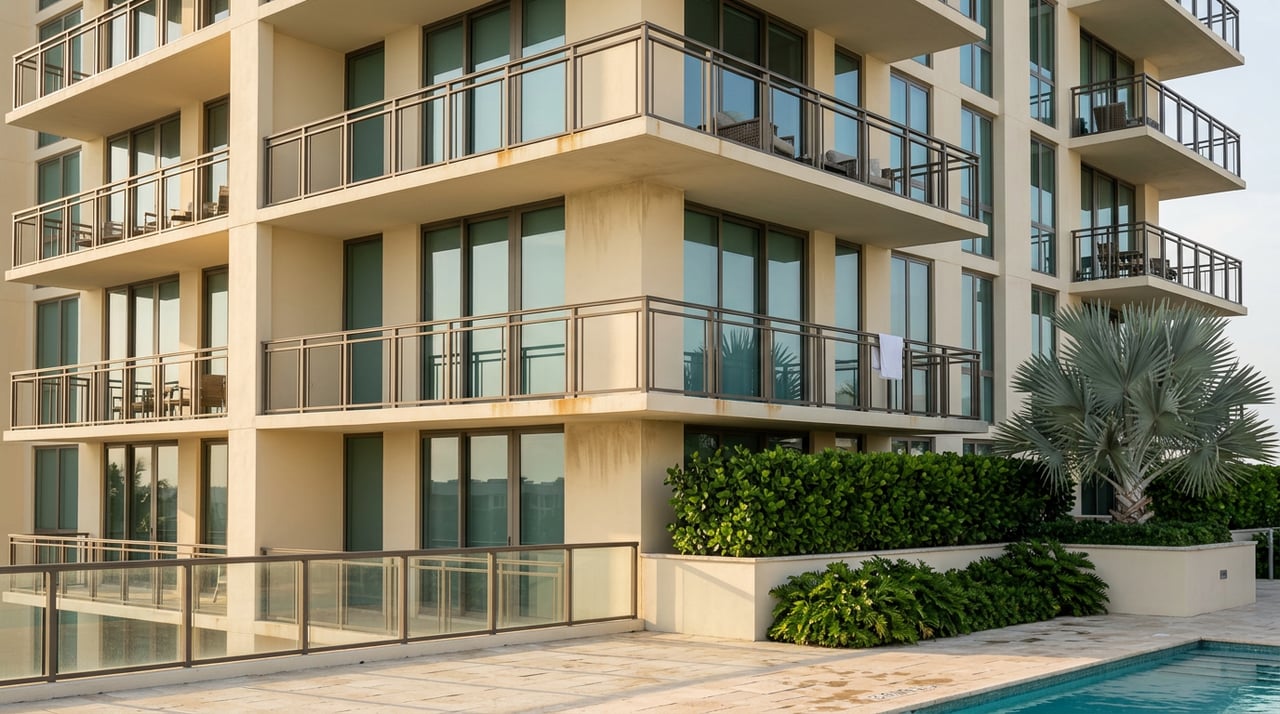
- Review maintenance history on roofs, facades, balconies, elevators, plumbing, and life safety systems.
- Order a thorough inspection of the unit. For older buildings, consider a structural or envelope review if concerns arise.
- Confirm parking and storage details, including deeded spaces and guest parking rules.
If you are selling
- Assemble a complete condo documents package, including budget, reserves, bylaws, rules, insurance, and any disclosures.
- Resolve outstanding HOA issues and disclose upcoming assessments or known deficiencies in line with Florida law.
- If you recently bought new, gather warranty details, completion certificates, and developer communications.
- Price against recent 33304 comps and highlight building improvements, reserve health, and upgrades that reduce future maintenance exposure.
How to choose: real‑world scenarios
- Choose new construction if you want modern systems, turnkey living, and fewer near‑term repairs. You accept a higher price and potentially longer timelines.
- Choose resale if you want immediate occupancy, a wider range of price points, and a documented HOA history. You accept age‑related maintenance risk.
- If you plan to rent, prioritize buildings with clear leasing rules and strong financials. Stable associations support long‑term value and smoother financing.
- If you are sensitive to insurance costs, compare flood zones, elevation data, and wind deductibles across buildings before committing.
Work with a local advisor who knows the beach
Every condo community on Fort Lauderdale Beach operates a little differently. The right strategy is about matching your goals to a specific building’s history, rules, and budget reality. A local, hands‑on approach helps you uncover details early so you can buy or sell with clarity.
If you are weighing new versus resale in 33304, let us streamline the process. The Lauren Kahn Group at One Sotheby's Int'l Realty offers buyer representation, listing services, leasing support, relocation guidance, and coordinated remote tours for out‑of‑area clients. Reach out for a focused plan to compare options, verify numbers, and move forward with confidence.
FAQs
What drives HOA fees on Fort Lauderdale Beach condos?
- Fees reflect operating costs, insurance, reserves, and planned projects. New buildings may start lower if subsidized by the developer, while older buildings may pay more to fund reserves and capital work.
Do new condos come with warranties in 33304?
- Yes, developers typically provide limited warranties on finishes, systems, and sometimes structural elements. Review coverage, duration, and the claim process before you close.
How does flood and wind insurance work for beachfront condos?
- Associations carry master policies for the building. You carry an HO‑6 for interiors. Flood coverage depends on FEMA flood zones and elevation, and wind deductibles can be significant, so verify costs early.
Can I use a beachfront condo for short‑term rentals?
- It depends on the association’s rules and city licensing. Some buildings limit lease length or cap rentals. Confirm HOA policies and local requirements before you buy.
What financing issues should I expect with new construction?
- Some lenders wait until a project is complete and the association stabilizes. Developers may offer preferred lending options. Plan for longer timelines and potential appraisal gaps.
What documents should I review for a resale condo in 33304?
- Ask for the budget, reserve study, audited financials, insurance declarations, board minutes, and details on assessments, litigation, and capital plans. Inspect the unit thoroughly.
How do special assessments affect value and marketability?
- Assessments can signal necessary work but impact carrying costs and buyer demand. Transparent budgets, strong reserves, and a clear maintenance plan support value over time.