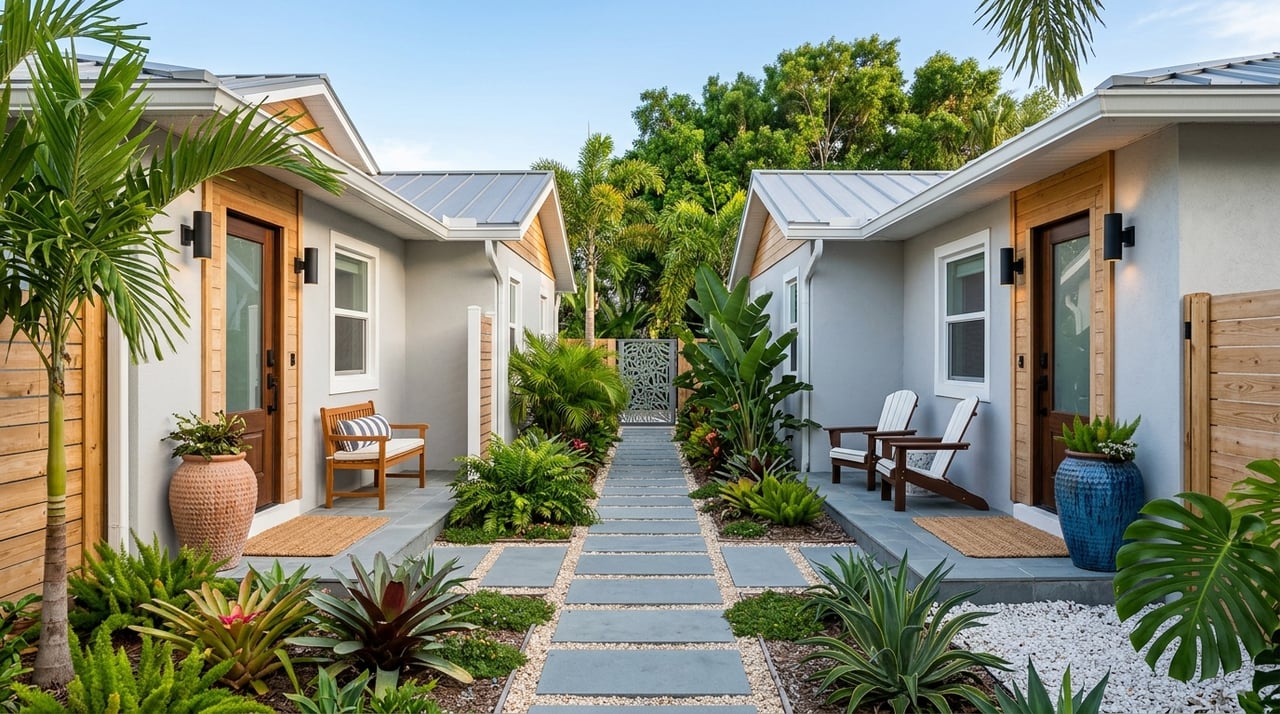
Getting Started With Duplex And Small Multifamily In Wilton Manors
July 2, 2026
July 2, 2026
Are you thinking about buying a duplex or small multifamily property in Wilton Manors, but not sure where to begin? You are not alone. For many first-time investors, the appeal is easy to see: multiple income streams, a chance to offset costs, and entry into a compact Broward market where land is limited and existing housing carries real value. This guide will help you understand how Wilton Manors works, what to watch for, and how to approach your search with more confidence. Let’s dive in.
Wilton Manors is a small city with just 1.97 square miles of land, which shapes the way investment opportunities show up here. In the 2020 Census, the city had 11,426 residents, and the July 2025 estimate was 11,655. That limited footprint often means you are looking at infill opportunities or repositioning existing properties rather than large new development sites.
The local numbers also help explain why buyers keep an eye on this market. Census QuickFacts reports a 61.6% owner-occupied housing unit rate, a median gross rent of $1,871, and a median owner-occupied home value of $589,200 for 2020 through 2024. For you, that points to a market where disciplined buying, realistic expenses, and solid management may matter more than betting on large-scale land plays.
In Wilton Manors, small multifamily usually means duplexes and other lower-unit-count residential properties that fit within the city’s existing zoning framework. Because the city is built out, many of these opportunities are tied to current lots, older buildings, and areas already planned for duplex or multifamily use.
That is important if you are entering the market for the first time. A strong opportunity here is often less about finding raw land and more about understanding the property’s zoning, density, condition, and rental setup before you make an offer.
Wilton Manors uses several zoning categories, including RS-5, RD-10, RM-10, RM-12, RM-16, and TOC districts. City materials define RD-10 as two-family duplex residential and note that it allows up to 10 units per gross acre. RM-12 is described as medium-density multifamily, while RM-16 is high-density multifamily and allows up to 16 units per gross acre.
For most buyers, that means duplex and small multifamily opportunities are more likely to be found in RD-10, RM, and TOC areas rather than in purely single-family RS-5 sections. If you are reviewing a listing, zoning is not a side detail. It is one of the first things you should verify.
The city’s transit-oriented corridors are concentrated along:
The officially designated TOC districts are TOC North, TOC South, TOC East, and TOC West. The city also states that the TOC district made up of TOC North, South, and East is capped at 519 units and currently has no available units for new residential development. That cap matters if your strategy involves adding density or pursuing redevelopment in those locations.
In a market like Wilton Manors, buyer demand is only part of the story. Zoning and review pathways can have a major impact on what you can actually do with a property after closing.
If you want to add units, replat a parcel, or pursue a zoning change, the city’s Planning and Zoning Board is the first formal review body. It hears rezoning and replatting applications, makes recommendations to the City Commission, and also approves site plans. In practical terms, your investment strategy needs to line up with what the parcel allows today, not just what you hope it could become later.
If you plan to rent out a duplex or small multifamily property, Florida state law controls the core rules for residential tenancies. That matters because your operating plan should account for lease structure, disclosures, deposit handling, and notice periods from the start.
Under the Florida Residential Landlord and Tenant Act, if rent is payable monthly, the tenancy is month-to-month unless the parties agree otherwise. Either side must give at least 30 days’ written notice to terminate a month-to-month tenancy. The landlord must also disclose the landlord’s name and address at or before the start of the tenancy.
For leases lasting one year or longer, Florida requires a separate flood disclosure to a prospective tenant. State law also regulates how security deposits are handled and sets notice deadlines after move-out. Tenant upkeep obligations are also spelled out in statute, including keeping the unit sanitary and complying with building, housing, and health codes.
One of the most important local details for investors is rental licensing. Wilton Manors requires a residential rental license for property used for rental purposes, and the city’s application form specifically lists single-family, condo, duplex, and miscellaneous rental types.
The same form states that if an owner is renting 2 or more units, a local business tax receipt is also required. If you are building your budget, these are not minor items. Compliance steps, inspection timing, and carrying costs should all be part of your early underwriting.
Small multifamily can be appealing because one unit can help offset vacancy or repairs in another. But the smaller the property, the more concentrated your risk can become. In a duplex, one vacancy can have a big effect on monthly income.
That is why conservative underwriting matters. In Wilton Manors, where supply is limited and many opportunities are existing properties rather than blank-slate sites, you want to stress-test your numbers before you fall in love with the deal.
Florida law places the maintenance burden on the landlord for major building components such as roofs, windows, doors, floors, steps, porches, exterior walls, foundations, and plumbing when no local code sets a different standard. That is a major consideration for any buyer looking at an older duplex or small multifamily property.
In South Florida, this also overlaps with resilience planning. Wilton Manors highlights issues such as sea-level rise, flood preparedness, seawalls, and water management on its resilience pages. For you, that means reserves, insurance planning, and long-term improvement costs deserve the same attention as projected rent.
Your loan path may depend on how you plan to use the property. Freddie Mac treats 2- to 4-unit owner-occupied primary residences as an eligible property type, which can create one route for buyers who plan to live in one unit.
At the same time, pure investment purchases may follow a different underwriting path. If you are comparing owner-occupied and investor options, it helps to understand that financing terms, documentation, and qualification standards may differ depending on the structure of the deal.
Before you move forward on a duplex or small multifamily property in Wilton Manors, start with a practical review. A good first pass can save you time, money, and frustration later.
Use this checklist as a baseline:
Wilton Manors can be rewarding for buyers who stay grounded in the details. It is a compact, supply-limited market where zoning, rental compliance, and realistic operating costs can shape the outcome as much as the purchase price.
If you are just getting started, having local guidance can help you move faster and ask better questions. From reviewing property fit and location to helping you weigh rental potential against operating realities, the right support can make your first investment feel far more manageable.
If you are exploring duplex or small multifamily opportunities in Wilton Manors, Lauren Kahn Group at One Sotheby's Int'l Realty can help you evaluate the market, compare options, and move forward with a clear local strategy.
Stay up to date on the latest real estate trends.



With Lauren's help, you can easily find your dream home in South Florida. So what are you waiting for? Start searching today and be one step closer to finding the perfect place to call home!