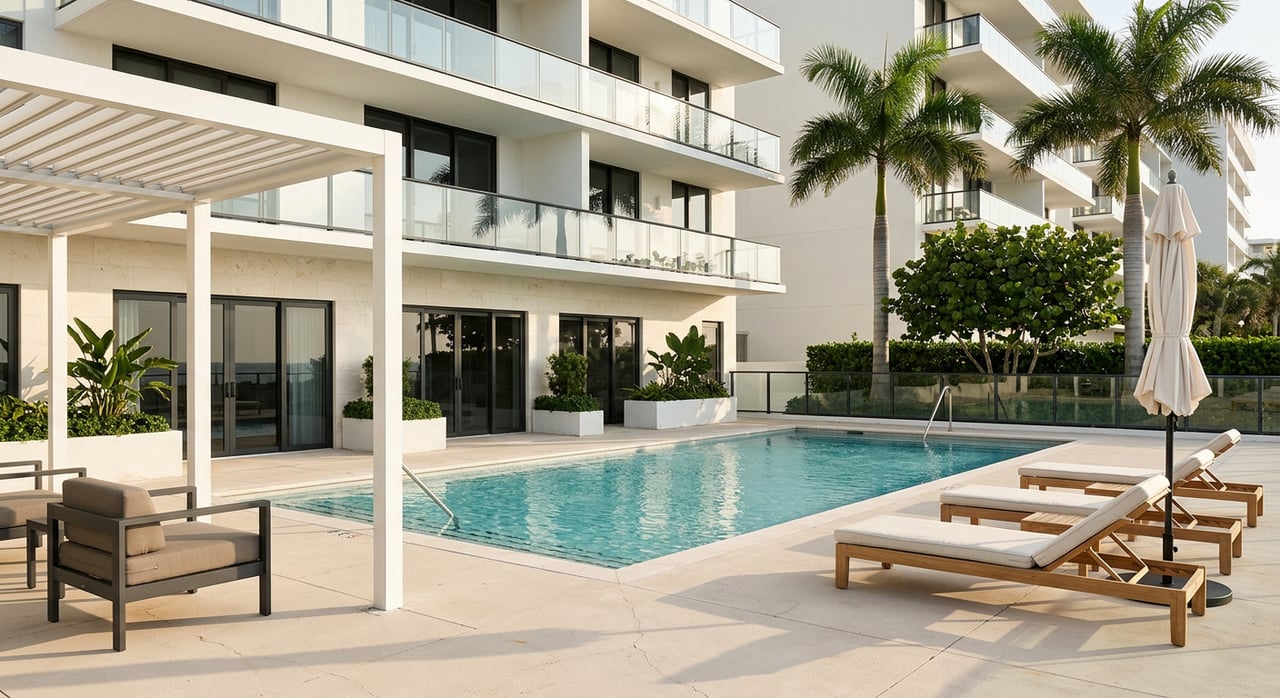
What To Know Before Buying A Fort Lauderdale Beach Condo
March 24, 2026
March 24, 2026
Buying a beach condo in 33304 should feel exciting, not stressful. Yet the rules, inspections, insurance, and rental restrictions around Fort Lauderdale Beach can surprise out-of-area buyers. If you want a second home or a rental-friendly unit along A1A, you need a clear checklist before you write an offer. In this guide, you’ll learn the safety and reserve rules that drive condo fees and assessments, how financing and insurance work here, what short-term rental rules actually allow, and the lifestyle factors that matter on this stretch of shoreline. Let’s dive in.
Florida strengthened building-safety and condo-governance laws in recent years. These rules apply to most beach buildings in 33304 and shape your true cost of ownership. Two items matter most: milestone structural inspections and the newer structural integrity reserve study rules.
Florida’s milestone inspection statute requires buildings that are three or more habitable stories to complete structural and life-safety inspections by set ages, with reporting to local officials and defined repair timelines. Review the state’s summary in Section 553.899 to understand scope and triggers for coastal buildings. You can read the law in Florida Statutes Section 553.899.
Florida also requires a Structural Integrity Reserve Study (SIRS) at least every 10 years for residential condos of three stories or more. The SIRS must evaluate items like the roof, primary structure, fire protection systems, plumbing, electrical, waterproofing and exterior painting, plus windows and doors, and then recommend a funding schedule. Many associations are working under 2024 to 2026 deadlines. The reserve and funding rules are detailed in Florida Statutes Section 718.112.
Broward County runs the Building Safety Inspection Program that administers milestone and recertification timing. Expect formal notices, required reports, and defined windows for repairs once issues are identified. For a sense of procedures and timelines, review Broward’s March 2023 BSIP guidance in the county’s program report.
If the building you like is near a milestone age, there is a high chance it recently completed, or soon will complete, a milestone inspection and a SIRS. These reports often come with major repair recommendations and funding plans. That can mean higher reserves, special assessments, or association loans. Ask for the latest engineer reports and the board’s timeline and funding method before you decide on price and terms.
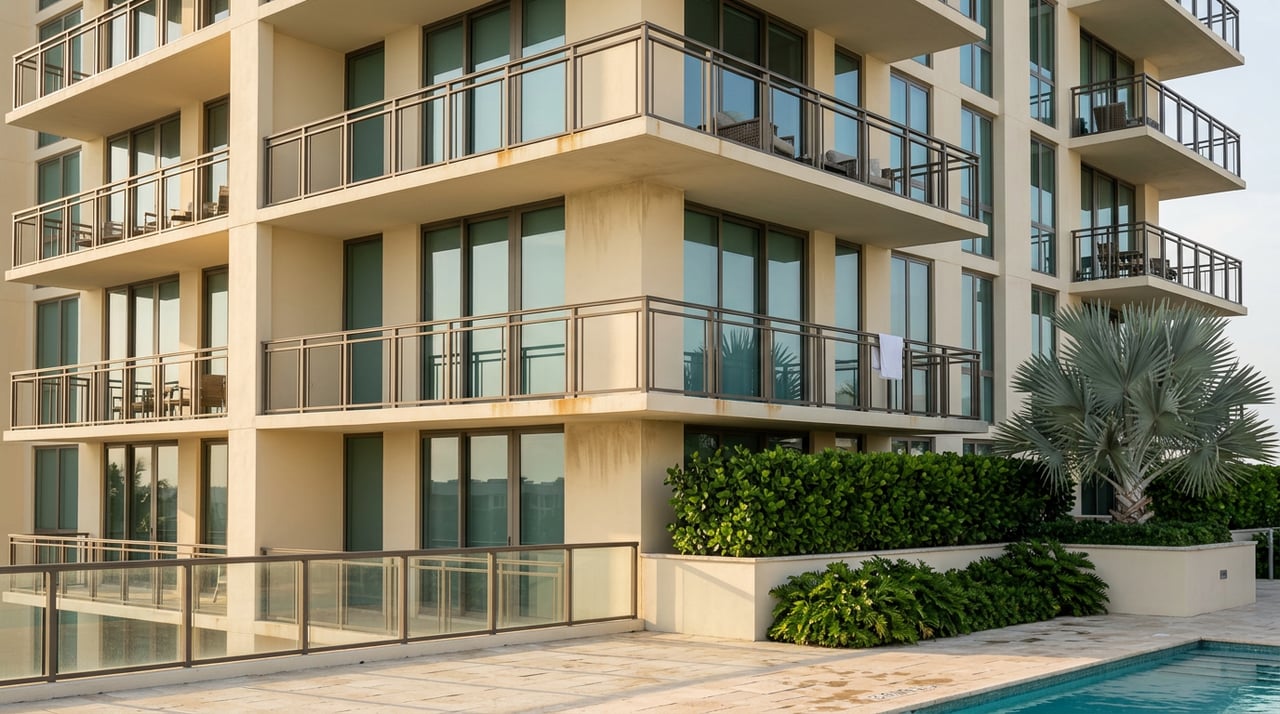
In South Florida’s salt-air and hurricane environment, building condition drives costs more than almost anything. The SIRS and any milestone reports are your roadmap. They show what needs work, when, and how the association plans to pay for it.
Here is how to approach it:
If these documents are not available or are delayed, consider that a red flag and build extra time into your HOA-review period.
Financing and insurance can make or break a deal on Fort Lauderdale Beach. Lenders look at project-level risk, and insurance deductibles here can be significant.
Condo projects must meet eligibility standards for many conventional and government-backed loans. A building can be flagged if it has critical deferred maintenance, inadequate insurance, active litigation, or operates like a hotel with widespread daily short-term rentals. Your lender can check current status using Fannie Mae’s Condo Status Finder. If the project is ineligible today, ask whether there is a documented plan to resolve issues and by when.
Florida law requires the association to maintain a master property policy. Interior finishes and personal property are often excluded, which is why you carry an HO-6 (walls-in) policy and consider loss assessment coverage. High hurricane deductibles on the association’s master policy are common and can lead to shared owner assessments after a covered event. Review coverages and deductibles in the master policy declarations, then price your own HO-6 accordingly. Details on association insurance are in Florida Statutes Section 718.111.
Fort Lauderdale Beach sits in FEMA-designated coastal flood zones. Lenders often require flood insurance based on zone and elevation. Always check the parcel on the county’s interactive map and ask for any Elevation Certificate and recent flood-claim history if available. Start with the Broward flood zone map to understand risk and likely premiums.
If your plan includes rental income, you must check two layers of rules. Fort Lauderdale requires registration and a certificate of compliance for vacation rentals of 30 days or less, with minimum life-safety standards and a 2023 rule requiring noise-monitoring devices. Penalties for noncompliance are significant. Review the city program so you understand the baseline standards in the Vacation Rental Program.
City compliance does not guarantee you can short-term rent a condo. Condo declarations can limit or prohibit rentals through minimum lease terms, caps, or waitlists. Florida also has state preemption on certain local restrictions, which adds complexity. Bottom line: the condo’s declaration controls whether you can short-term rent your unit. For the state preemption framework, see Section 509.032.
Parking can vary widely along A1A. Some buildings convey deeded spaces. Others use assigned, first-come, or valet systems. If a parking space is important to you or your renters, require recorded proof of the space and ask for guest-parking rules and enforcement policies. For nearby meters and permits, the city’s portal outlines zones and options at the Fort Lauderdale Parking Services site.
Noise and activity levels also shift block by block. Las Olas hosts festivals and events, and beachfront venues can produce amplified sound. Ask whether the unit faces a park, event area, or entertainment strip, and request any available incident or complaint logs from the association. The city’s vacation rental program also highlights noise enforcement standards.
Marina and dining access is a lifestyle plus in 33304. Many buildings between Sunrise Boulevard and the 17th Street Causeway are a short drive to major marinas like Bahia Mar Yachting Center and Pier Sixty-Six Marina and within walking distance of beach restaurants. If that access matters for you or your renters, map actual travel and walking times from the building.
If you are buying from out of state or plan to use the condo seasonally, a clear offer strategy will protect you.
Use this as a quick reference while you evaluate buildings in 33304.
When your paperwork is complete and the numbers still make sense, you can move forward with confidence knowing how the building, not just the neighborhood, will shape your costs and lifestyle.
Ready to tour the right buildings, request the right documents, and negotiate the right terms for a 33304 beach condo? Connect with the Lauren Kahn Group at One Sotheby's Int'l Realty for local guidance, remote showings, and a clear plan from offer to close.
Stay up to date on the latest real estate trends.
With Lauren's help, you can easily find your dream home in South Florida. So what are you waiting for? Start searching today and be one step closer to finding the perfect place to call home!